I remember downloading ‘free’ plans that turned out to be just a single blurry image. That frustration is why I organized these proper, printable PDFs that actually show you the measurements.
Why 10×12 Shed Plans Are the Perfect Choice
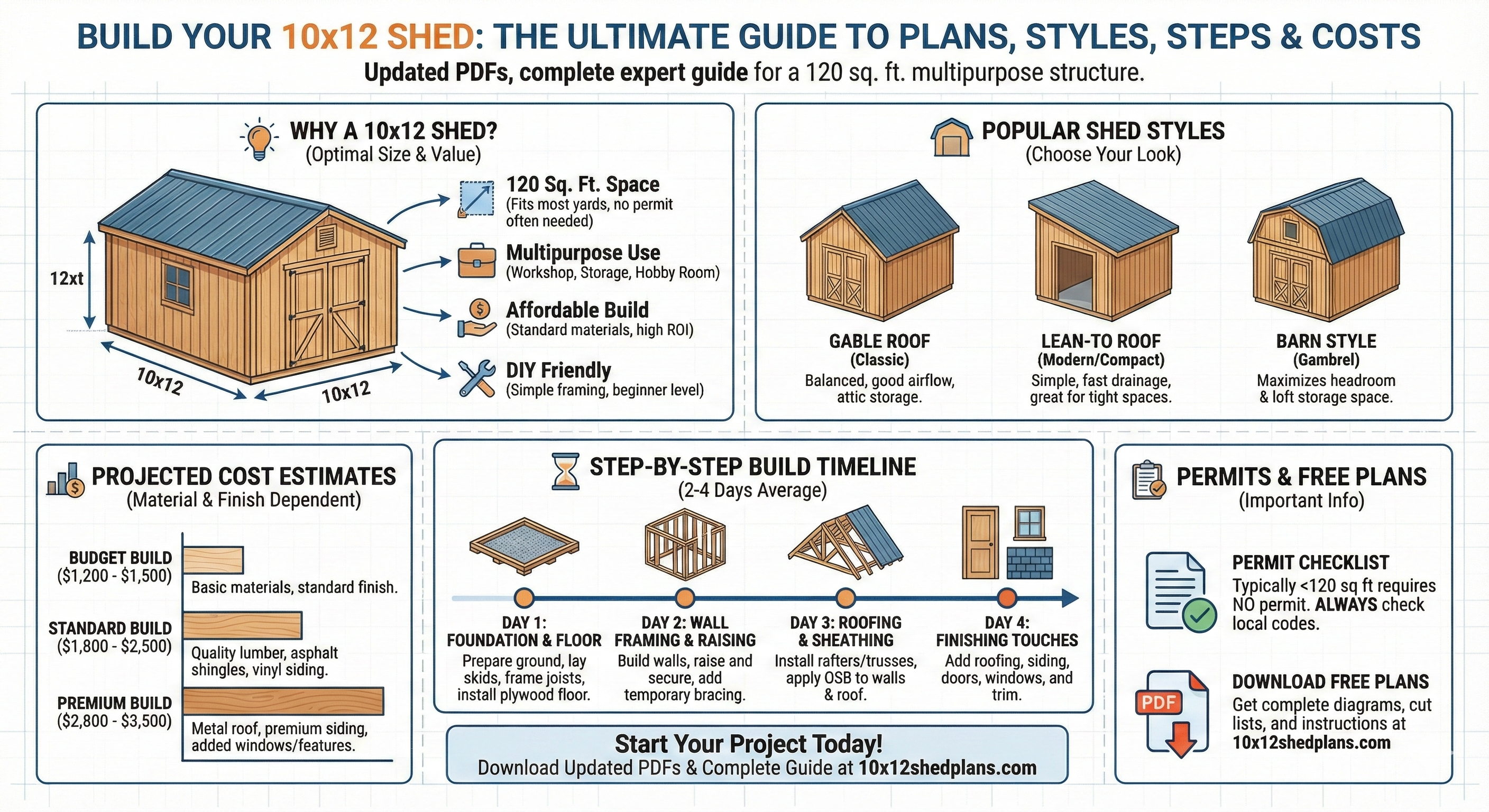
When homeowners search for a practical, affordable, and versatile structure for their backyard, 10×12 shed plans consistently come up as the best option. A 10×12 shed offers 120 sq. ft. of usable space, which is large enough for workshop setups, gardening tools, heavy equipment, and even hobby spaces — without requiring complex building permits in many areas.
The true advantage of choosing 10×12 shed plans is flexibility. You get an ideal middle‑ground size that fits small yards while still giving room for customization such as windows, double doors, shelving units, and attic storage. Most DIY builders also prefer this size because it is inexpensive, simple to frame, and easy to assemble even with beginner‑level skills.
What Makes 10×12 Shed Plans So Popular?
A well‑designed shed is more than four walls — it’s practical storage, home improvement, and a long‑term value addition. Here’s why 10×12 shed plans are among the most downloaded and built shed blueprints today:
🚧 Planning Your Next Build?
Don't start without the Ultimate Guide: Barns, Sheds & Outbuildings. It’s the "DIY Bible" containing:
- 100+ Plans: Barns, sheds, garages, and playhouses.
- Step-by-Step: Covers foundations, framing, wiring, and roofing.
- Blueprints: Includes info on ordering CAD files.
1. Easy to Build: Framing a shed of this size requires standard 2×4 lumber, simple rafters, and minimal cutting, making it beginner‑friendly.
2. Affordable: Using cost‑efficient materials like OSB sheathing, asphalt shingles, and treated skids keeps the overall project budget-friendly.
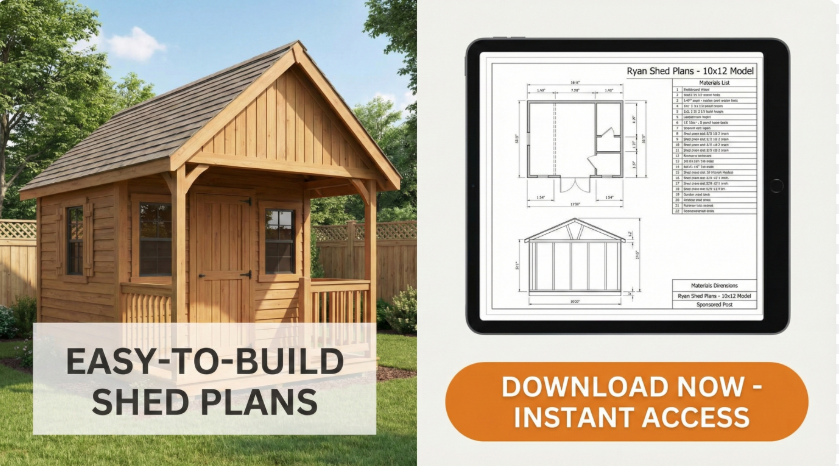
3. Fits Most Yards: A 10×12 footprint is compact enough for suburban lots yet spacious enough to store bicycles, mowers, gardening equipment, and tools.
4. Multi‑purpose Use: Whether you want a workshop, garden storage, or a backyard mini‑studio, 10×12 shed plans adapt easily.
5. Best ROI: The resale value and utility payback of a 10×12 shed is one of the highest among all shed sizes.
Understanding the Structure of 10×12 Shed Plans
Every high‑quality 10×12 shed plan typically includes a complete breakdown of materials, cut lists, 3D diagrams, floor layouts, elevation views, and roofing angles. Whether you choose lean‑to, gable, or barn‑style roofing, the core elements stay the same.
Floor System Breakdown
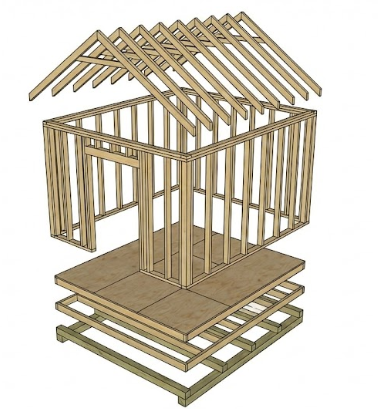
A standard 10×12 shed plan uses:
- Pressure‑treated 4×4 or 4×6 skids
- 2×6 floor joists spaced 16″ on center
- ¾” exterior‑grade plywood flooring
This foundation keeps the shed stable, prevents moisture issues, and allows easy leveling.
Wall Framing Layout
Most 10×12 shed plans use:
- 2×4 studs (16″ on center)
- A front wall with double door framing
- Rear and side walls for added rigidity
The result is a sturdy structure that supports shelving and tool racks without flex.
Roofing System
Gable roof versions remain the most popular among 10×12 shed plans due to their aesthetic appeal and weather durability. Typical materials include:
- 2×4 rafters
- OSB roof sheathing
- Felt paper
- Asphalt shingles or metal panels
Common Types of 10×12 Shed Plans
While the main structure remains similar, the roof style and interior layout can make each shed unique.
Lean‑To 10×12 Shed Plans
These shed plans are great for tight spaces, minimal roofing hassle, and fast water drainage. Ideal when your shed must sit beside a fence or house wall.
Gable Roof 10×12 Shed Plans
The most classic and balanced look. Gable roofing allows good airflow, attic storage, and year‑round weather protection.
Barn‑Style 10×12 Shed Plans
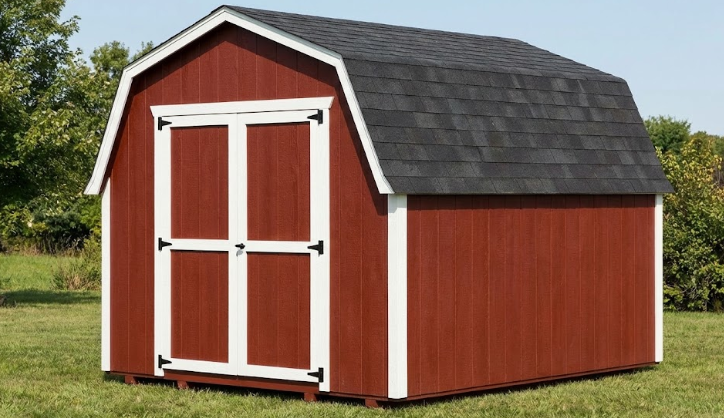
These maximize vertical height and loft space. A perfect choice if you plan to store ladders, tall equipment, or extra bins.
Material List for 10×12 Shed Plans
A fully optimized set of 10×12 shed plans normally includes a detailed material list. Below is a simplified version covering the essentials:
- 4×4 or 4×6 pressure‑treated skids
- 2×6 lumber for the floor frame
- ¾” tongue‑and‑groove plywood
- 2×4 lumber for wall studs, plates, and rafters
- Exterior‑grade OSB wall and roof sheathing
- Asphalt shingles or corrugated metal roofing
- Vinyl, wood, or metal siding
- Hinges, handles, and screws
- Nails, joist hangers, brackets
This materials bundle keeps costs reasonable while ensuring long‑lasting durability.
Step-by-Step Overview of Building 10×12 Shed Plans
While each detailed blueprint offers professional diagrams, here’s a simplified sequence you’ll find in most 10×12 shed plans:
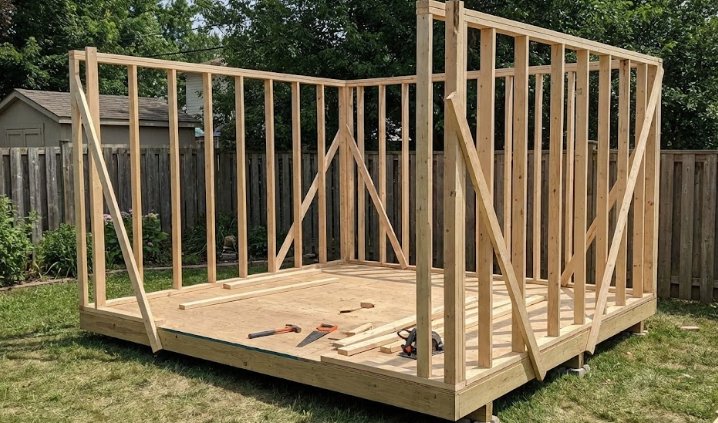
Step 1 — Build the Foundation
Prepare the ground, lay gravel, and position skids or concrete blocks.
Step 2 — Frame the Floor
Assemble the joists, secure them, and attach the plywood floor panels.
Step 3 — Construct the Wall Frames
Build each wall separately. Include door and window openings according to your specific 10×12 shed plan.
Step 4 — Raise and Secure Walls
Use temporary bracing to hold walls upright until fully secured.
Step 5 — Install Rafters or Trusses
Depending on your shed plan, install a lean‑to or gable‑style roof system.
Step 6 — Apply Sheathing
Attach OSB to walls and roof.
Step 7 — Add Roofing and Siding
Finish with shingles, metal roofing, vinyl siding, or wooden cladding.
Step 8 — Install Doors, Windows, and Trim
This completes the structure and gives your 10×12 shed a polished look.
Cost Breakdown of Building 10×12 Shed Plans
One reason 10×12 shed plans are so widely used is the predictable, manageable cost. Here’s an average cost range depending on materials and finish quality:
| Version | Estimated Cost |
|---|---|
| Budget Build | $1,200 – $1,500 |
| Standard Build | $1,800 – $2,500 |
| Premium Build | $2,800 – $3,500 |
With smart material selection, you can easily stay within a budget while still achieving a sturdy, attractive shed.
Customizing Your 10×12 Shed Plans
This is where the real value of 10×12 shed plans comes in — the ability to tailor your shed to any purpose.
Add Windows for Light
A great choice if you use the shed as a workspace.
Add Shelving and Racks
Maximizes the 120 sq ft of floor space.
Install Double Doors
Perfect for lawnmowers, bikes, wheelbarrows, or large tools.
Increase Roof Pitch
Improves ventilation and weather performance.
Add Lofts or Attic Space
Many 10×12 shed plans include optional loft designs that increase storage capacity without expanding the footprint.
Is a 10×12 Shed Enough Space?
Absolutely. 10×12 shed plans provide more than enough room for:
- Garden equipment
- DIY tools
- Lawn mowers
- Bikes
- Workbenches
- Seasonal storage
- Hobby gear
It’s the perfect size for most homeowners who want practical storage without overbuilding.
Downloading 10×12 Shed Plans Free
Find links below for downloadable 10×12 shed plans those PDFs include:
- Full construction diagrams
- Material lists
- Cut lists
- Step-by-step assembly instructions
- 3D illustrations
Links for downloading free 10×12 shed plan PDFs are as follows:
✅ Free Download Links
- 10×12 Gable Roof Shed Plan (Free PDF)
Download PDF - 10×12 Lean-To Shed Plan (Free PDF)
Download PDF - 10×12 Garden Shed Plan (Free PDF)
Download PDF - 10×12 Basic Shed Plan (Free PDF)
Download PDF
Important Note:
While these Free PDFs are useful, but they lack the detailed diagrams needed for accuracy and efficiency CAD files or detailed diagram plans : Click Here To Get
Final Thoughts
If you’re searching for high-quality, easy-to-follow 10×12 shed plans, this guide provides everything you need to confidently start your project. From floor framing to roofing, material selection, cost planning, and customization, a 10×12 shed remains the best size for long-term value and versatility.
Whether you’re building a garden shed, workshop, storage unit, or backyard studio, 10×12 shed plans give you the perfect balance of simplicity, durability, and functionality.
FAQ: 10×12 Shed Plans
1. Do I need a permit for a 10×12 shed?
In many regions, a 10×12 shed falls under the no‑permit size limit (typically under 120 sq ft). However, local rules vary, so always check your municipal guidelines.
2. How long does it take to build a 10×12 shed?
Most DIY builders complete a 10×12 shed in 2–4 days depending on skill level and whether they pre-cut lumber in advance.
3. What is the best foundation for 10×12 shed plans?
Gravel pads and concrete blocks are the simplest and most cost‑effective. Concrete slabs offer the highest durability if you need support for heavy equipment.
4. How much does a 10×12 shed cost to build?
On average: $1,200 – $3,500 depending on materials, roofing type, and finish.
5. Can I convert 10×12 shed plans into a workshop?
Yes. Adding windows, insulation, electrical outlets, and shelving turns a standard shed into a functional workspace.
Pingback: Free Shed Plans 10x12 with Material List - 10x12 Shed Plans